

How AI is Transforming Health Information Management

How AI is Transforming Health Information Management

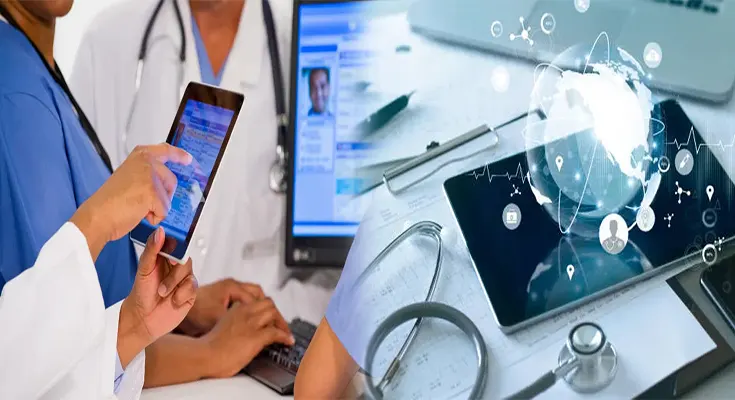
Artificial Intelligence (AI) has revolutionized various industries, and one area where its impact is being increasingly felt is in health information management. From streamlining processes to improving patient care, AI offers a wide array of benefits that are transforming the way health information is managed and utilized.

More Efficient Data Management

Healthcare organizations deal with massive amounts of data on a daily basis, from electronic health records to medical imaging files. AI technologies such as machine learning and natural language processing can help streamline the process of data management by automating tasks such as data entry, data coding, and data analysis. This not only saves time and reduces human error but also allows healthcare professionals to focus more on patient care.

Enhanced Diagnosis and Treatment

AI algorithms have shown great promise in improving diagnostic accuracy and treatment recommendations. For example, AI-powered diagnostic tools can analyze patient data and medical imaging …

How AI is Transforming Health Information Management Read More


Skills Needed for Global Technology Careers

Skills Needed for Global Technology Careers

In today’s fast-paced and ever-evolving world, technology has become an integral part of our daily lives. As the digital landscape continues to expand, the demand for skilled professionals in the tech industry is at an all-time high. To succeed in global technology careers, it is essential to possess a diverse set of skills that can adapt to the rapidly changing industry. Here are some of the key skills needed to thrive in global technology careers:

1. Technical Proficiency

Having a strong foundation in technical skills is essential for success in global technology careers. Whether it’s coding, software development, network management, or database administration, a thorough understanding of technology and its applications is crucial. Keeping up-to-date with the latest tools and technologies is also important to stay competitive in the global tech industry.

2. Problem-Solving Abilities

The ability to think critically and solve complex problems is a highly valued skill in …

Skills Needed for Global Technology Careers Read More
How to Support Women Pursuing Careers in Cybersecurity

How to Support Women Pursuing Careers in Cybersecurity

The field of cybersecurity plays a critical role in safeguarding digital assets, protecting sensitive information, and defending against cyber threats. Despite the growing demand for cybersecurity professionals, women continue to be underrepresented in this field. To foster diversity and inclusion in cybersecurity, it is essential to provide support and resources to encourage and empower women pursuing careers in this dynamic and vital industry.

1. Education and Training Opportunities

Offering targeted education and training programs tailored to women interested in cybersecurity can bridge the skills gap and provide the necessary knowledge and expertise. Scholarships, mentorship programs, and networking events specifically designed for women in cybersecurity can help build a supportive community and provide access to learning opportunities.

2. Mentorship and Role Models

Establishing mentorship programs and highlighting successful female professionals in cybersecurity can inspire and guide women through their career journey. By connecting aspiring professionals with experienced mentors and showcasing accomplished …

How to Support Women Pursuing Careers in Cybersecurity Read More
Challenges in Implementing Health Information Systems

Challenges in Implementing Health Information Systems

Health information systems (HIS) play a critical role in modern healthcare by digitizing and managing patient data, streamlining workflows, and improving the quality of care. However, the implementation of these systems is not without its challenges. From technical issues to organizational barriers, healthcare providers face a range of obstacles when integrating HIS into their practices. Understanding and addressing these challenges are crucial for ensuring the successful adoption and utilization of health information systems.

One of the primary challenges in implementing health information systems is interoperability. Healthcare providers often use multiple systems that do not communicate effectively with each other, leading to fragmentation of patient data and inefficiencies in care coordination. Achieving interoperability requires standardization of data formats, protocols, and interfaces across different systems, which can be complex and time-consuming.

Another significant challenge is data security and privacy. Health information systems store sensitive patient data that must be protected against breaches …

Challenges in Implementing Health Information Systems Read More
Remote Technology Jobs Hiring Worldwide

Remote Technology Jobs Hiring Worldwide

The global workforce landscape has undergone a significant transformation in recent years, with remote work becoming more prevalent than ever before. This trend has been particularly pronounced in the technology industry, where companies are increasingly embracing remote work arrangements to tap into a global talent pool. As a result, a plethora of remote technology jobs are now available worldwide, offering professionals the opportunity to work from anywhere while contributing to cutting-edge projects.

One of the key advantages of remote technology jobs is the ability to access talent from diverse geographic locations. Companies no longer need to restrict their hiring to a specific city or country, allowing them to source top talent from around the world. This approach not only increases the pool of skilled professionals available to organizations but also fosters a more inclusive and diverse work environment.

Furthermore, remote technology jobs offer professionals greater flexibility and work-life balance. By …

Remote Technology Jobs Hiring Worldwide Read More